A water heater warranty can cover a defective tank, heat exchanger, or component, but it does not automatically pay the entire repair or replacement bill. Parts and labor may have different coverage periods, and installation expenses can remain your responsibility. To find out what you have, check the warranty for your exact model and installation date before authorizing work.
That distinction matters when you are standing beside a leaking heater with a receipt that says “10-year warranty.” The number is useful, but it does not tell you who pays the plumber, whether the failure qualifies, or how to start a claim. Those answers come from the written terms.
Manufacturer Warranty, Installer Warranty, or Home Warranty?
The manufacturer’s limited warranty addresses covered product defects. An installer’s workmanship warranty, if provided, addresses installation work under that contractor’s terms. Ask for both documents when buying a new heater, including who to call if a connection leaks rather than the tank itself.
A separately purchased home warranty or service contract is another arrangement. It may cover several household systems and have its own service fees, limits, and approval process. The FTC explains the distinction between product warranties and service contracts. Having one does not mean the other company automatically handles the claim.
Read Tank, Parts, and Labor Coverage Separately
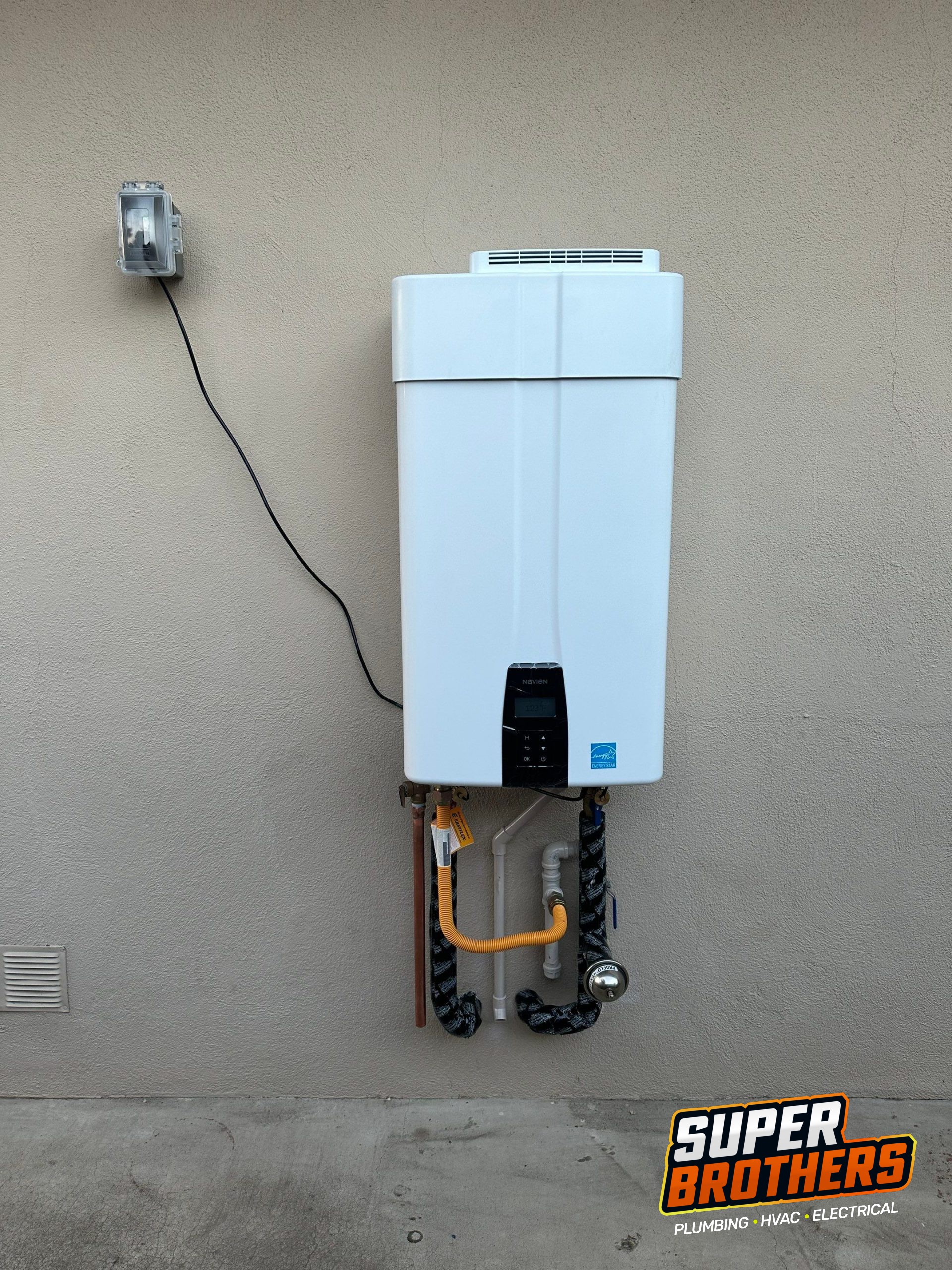
For a storage water heater, look for the tank coverage and the separate terms for components. On a tankless unit, check the heat exchanger, other parts, and labor. A long heat-exchanger warranty does not mean the controls or the technician’s time are covered for the same period. Heat pump water heaters also need a model-specific review.
For example, A. O. Smith’s indoor storage tank warranty for its residential split heat pump system lists ten years for the tank and parts, with one year for authorized labor. Those terms apply to the listed models, not every A. O. Smith heater. Use examples to understand the distinctions, then check your own document.
Before choosing between tank and tankless equipment, ask for the warranty alongside the installation estimate. Compare what happens if an expensive component fails after the labor coverage ends. The longest number on the brochure should not make that decision by itself.
Why a Warranty Replacement Can Still Cost Money
Depending on the agreement, you may still pay for diagnosis, removal, installation, delivery, disposal, or materials needed to complete the work. Some warranties exclude labor entirely; others cover it briefly or subject to authorization. A. O. Smith’s published service and labor terms for one warranty illustrate this distinction, including owner expenses after the first year.
Ask for a written breakdown showing the manufacturer’s contribution and your remaining charges. If the quote includes changes to venting, valves, or electrical connections, have the contractor explain why they are needed and whether coverage applies. For a water heater replacement in Sacramento or the Bay Area, the installation scope still matters even when the appliance itself qualifies for warranty replacement.
How to Check Your Water Heater Warranty
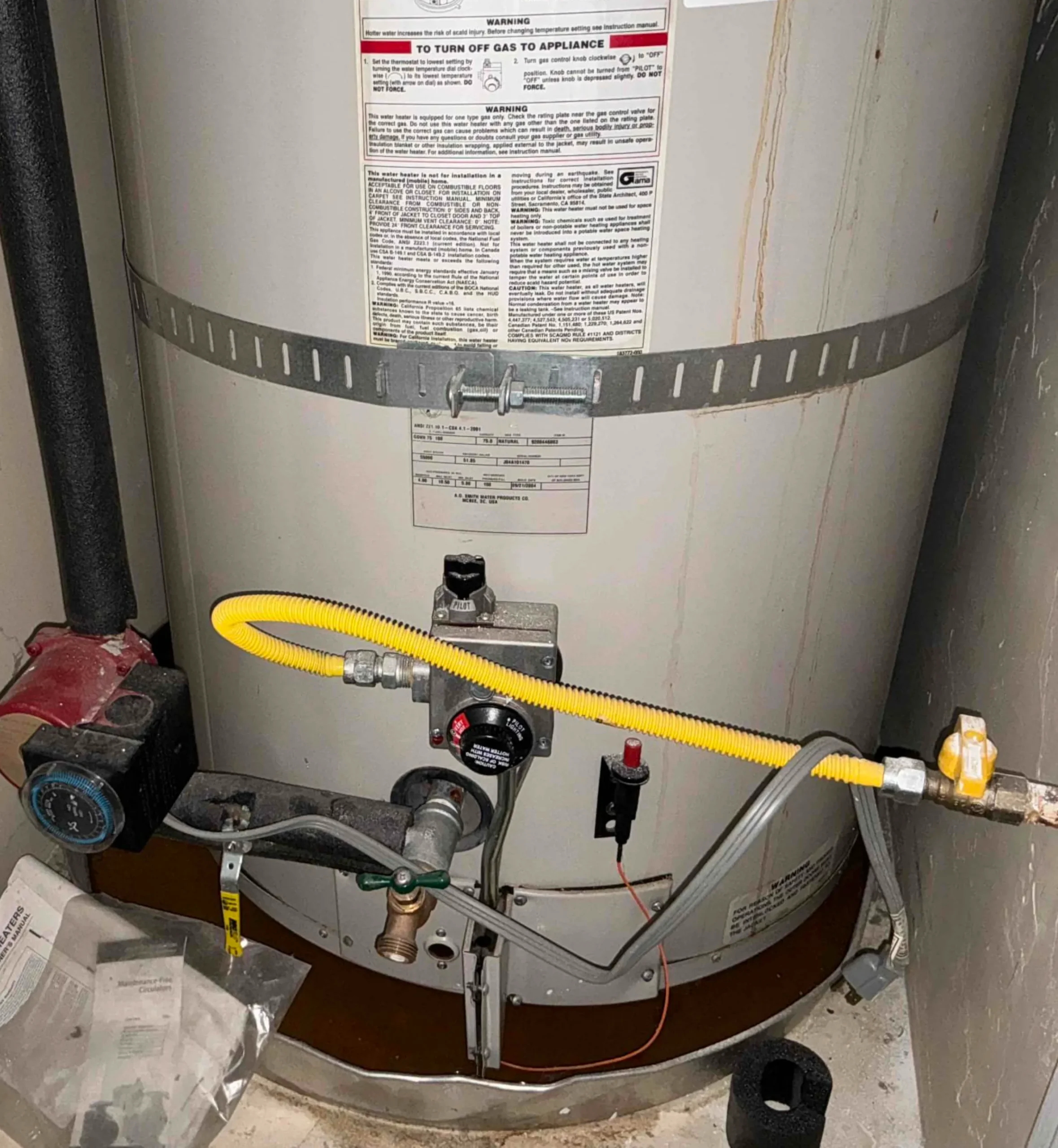
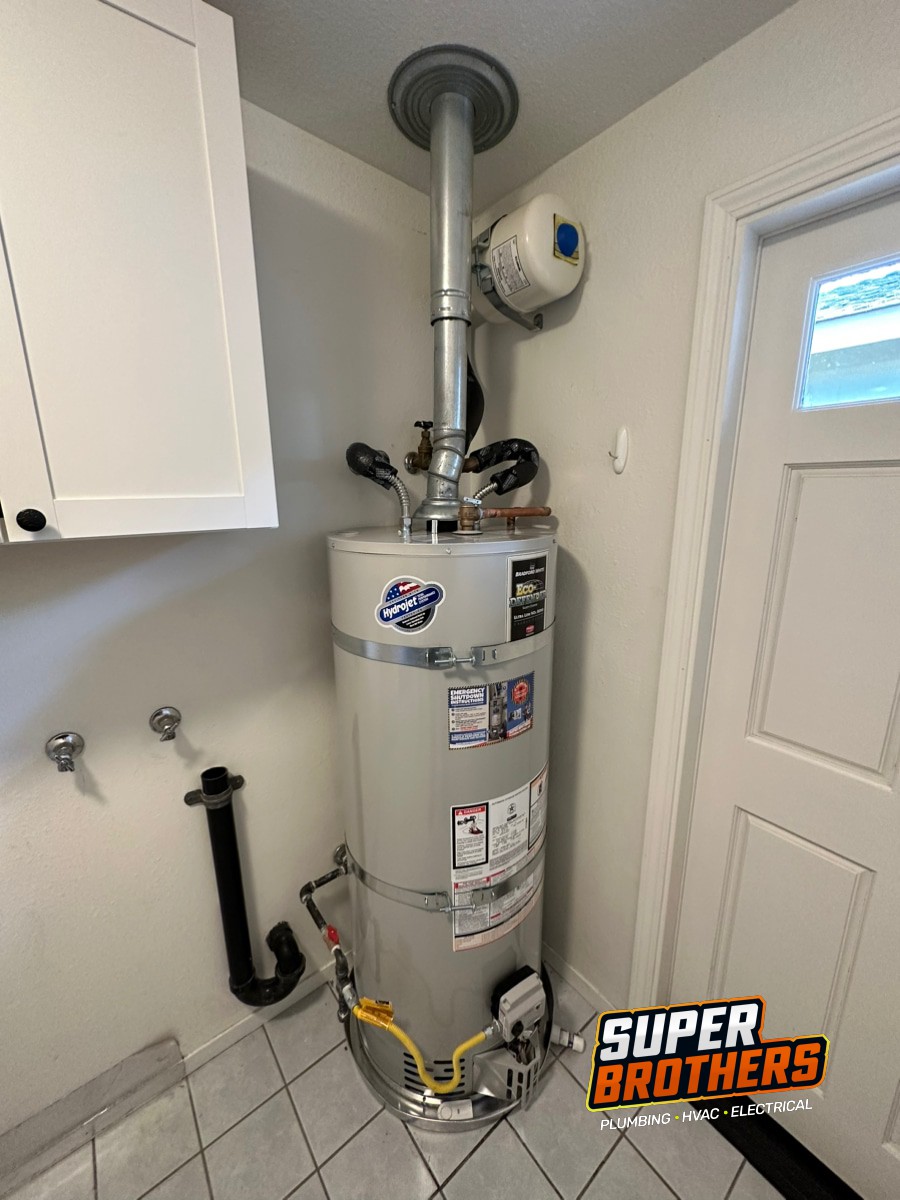
Photograph the rating label showing the model and serial number. Find the purchase receipt, installation invoice, and any extended-coverage paperwork. The manufacturing date and installation date are not necessarily the same, so keep evidence of when the heater actually went into service.
Use the manufacturer’s official lookup or support channel. Bradford White’s Warranty Center lets you check coverage information using the serial number; Rheem provides its own warranty and registration resources. A lookup helps establish dates, but the cause of failure and applicable terms still determine whether a particular claim is approved.
How to Start a Warranty Claim
Contact the installer, manufacturer, or service-contract provider identified in your paperwork. Describe the symptom, share any error code, and ask how diagnosis and authorization work. Confirm who may perform covered service and whether you must pay a diagnostic fee before someone comes out.
Claim routes vary. Bradford White says its service professional submits claims through the local distributor. Other manufacturers direct homeowners to their support team first. Do not assume that purchasing a replacement yourself guarantees reimbursement, or discard the failed unit or part before asking whether it must be inspected or returned.
Keep the claim number, diagnosis, photos, and written approval together. Ask who orders the part and what happens if it is unavailable. If coverage is denied, request the reason and the specific warranty provision in writing so you can address missing records or dispute an incorrect finding.
Registration and Maintenance: Check the Actual Requirements
Registration can make product records easier to retrieve, but do not assume that forgetting it automatically eliminates coverage. This is particularly relevant locally: Rinnai’s warranty guidance expressly says California residents do not lose warranty rights or longer coverage periods because they failed to register. Check the applicable terms and state-specific exceptions for your product.
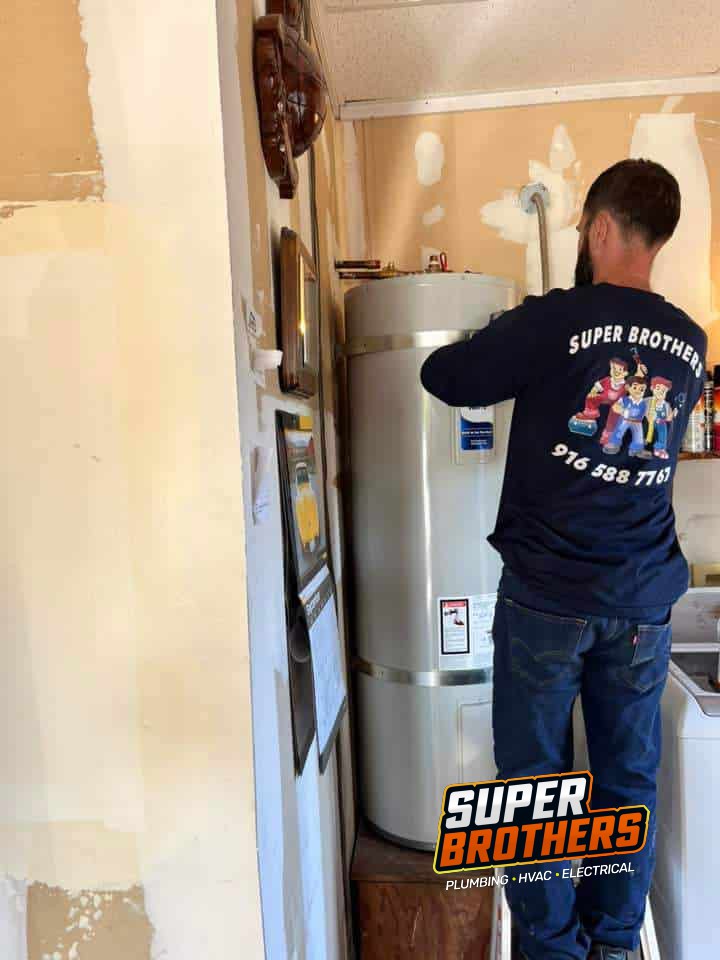
Follow the heater’s maintenance instructions and save service records. The work may include flushing, inspecting serviceable components, or tankless water heater descaling, depending on the model and water conditions. Ask the technician to document what was done rather than leaving you with an invoice that only says “service.”
Damage caused by improper installation, scale, freezing, or operation outside specified conditions may be excluded. That is different from saying any maintenance mistake cancels every possible claim. Likewise, the FTC cautions that manufacturers generally cannot require particular paid parts or services merely to retain warranty coverage, subject to exceptions. The failure’s cause and the applicable terms matter.
Does Coverage Transfer or Restart After Replacement?
Do not assume coverage ends when a house sells—or that it automatically transfers. Bradford White’s Warranty Center describes coverage for subsequent owners while the heater remains at its original U.S. installation location. The A. O. Smith split-system tank warranty linked above, by contrast, is not transferable. Buyers should request the actual warranty and installation records.
A replacement also may inherit only the unused portion of the original term. That is the arrangement in the cited A. O. Smith split-system warranty. Ask for the replacement’s documented expiration date instead of assuming a new appliance starts a fresh ten years.
Is Extended Water Heater Coverage Worth Buying?
Compare the additional price with what the plan actually adds. Does it extend parts coverage, labor, or both? Check service fees, payout limits, exclusions, and overlap with existing protection. “Lifetime” coverage also needs a written definition of whose lifetime, which components, and what conditions apply.
Eligibility can depend on the product and purchase timing. Bradford White’s BUILTBEST program, for example, offers qualifying heaters additional tank and component coverage; its serial-number lookup checks eligibility. Do not assume you can wait until the original warranty expires—or until a breakdown—and then buy an extension for that failure.
Getting Help With Your Water Heater
If you need service in Sacramento or the Bay Area, send Super Brothers a photo of the rating label and a description of the problem. Mention any manufacturer claim number or service contract before scheduling. Ask for the proposed work and any charges you would owe before approving the repair.