
If you are searching for air conditioner brands to avoid, you are probably trying to avoid a bad buy, a loud unit, weak cooling, high power bills, or a system that becomes a repair project every summer. That is a fair concern, especially when a new air conditioner can cost real money and the wrong choice can haunt your house for years.
In 2026, the phrase air conditioner brands to avoid does not just mean one brand is good and another is trash. In real homes, the bigger problems are often poor installation, wrong system sizing, weak local repair support, and equipment that does not fit the home. That is where most expensive AC mistakes begin.
So this guide keeps the same question people are already searching, but gives a more honest answer. Instead of tossing out a random blacklist, it shows which air conditioner brands to avoid in certain situations, what warning signs matter most, and how to choose a unit that actually works well in your home.
Shopping for cooling equipment used to feel simpler. You picked a brand you recognized, crossed your fingers, and hoped the house stayed cool without turning the electric bill into a jump scare. In 2026, that old approach does not hold up very well, because the badge on the front matters less than most people think.
The internet is still full of old articles that name random brands, toss around a few dramatic complaints, and act like the story ends there. That is not how real homes work. A system can have a strong name, a fancy brochure, and a sales pitch smoother than a home improvement show host, then still cool poorly if it is oversized, mismatched, or installed badly.
That is why the phrase air conditioner brands to avoid needs a better answer in 2026. The real goal is not finding one magic brand and one cursed brand. The goal is avoiding the kinds of equipment, setups, and sales shortcuts that turn a new AC into an expensive summer hobby.
This updated guide takes a cleaner and more honest route. Instead of recycling unsupported brand blacklists, it shows what actually separates a smart air conditioner purchase from one you regret halfway through July. If you are choosing between central air, a heat pump, a window unit, or a portable unit, this is the stuff that matters in the real world.
Why old brand blacklist articles age badly
A lot of older articles about air conditioners were built around broad claims like “this brand is bad” or “that brand is the best.” The problem is that HVAC does not work like a toaster aisle at a big box store. Central systems are built from indoor and outdoor components, they rely on ductwork, and they live or die by sizing and installation quality.
That matters because many homeowners still shop by logo first. It is understandable. A new cooling system is expensive, and nobody wants to pay thousands of dollars for a metal box with commitment issues. But if the contractor skips the load calculation, uses the wrong coil, or slaps in oversized equipment, even a decent brand can feel like a lemon.
There is also a 2026 reality check that older articles miss. The labels and standards people see now are not exactly the same ones older guides used. Central air buyers now run into SEER2 and EER2, room units lean on ENERGY STAR and variable speed tech, and many new systems are part of the refrigerant transition that ramped up starting in 2025.
That means any article still talking like it is 2019 deserves some side-eye. If the advice ignores matched systems, installer quality, current efficiency labels, and newer refrigerants, it is already behind. Buying cooling equipment on stale advice is a little like choosing a phone based on a review from the flip phone era.
What to avoid first, before you avoid a brand
When people search air conditioner brands to avoid, they are usually trying to avoid one of six expensive mistakes. They want to avoid weak cooling, high utility bills, noisy operation, repeat repairs, bad warranty support, and equipment that local technicians do not like working on. Those are fair concerns, and they point to smarter questions than “which logo should I fear?”
The first thing to avoid is an oversized system. Bigger sounds better when you are sweating in the living room, but oversized air conditioners often cool the space too fast and do a worse job removing humidity. The room may hit the thermostat setting, yet still feel sticky, muggy, and vaguely annoyed with you.
The second thing to avoid is a mismatched central system. With split systems, the indoor coil and outdoor unit need to be matched and rated together. If the combination is wrong, the promised performance on the sales sheet may never show up in your house, which is why asking for the AHRI reference number is not nitpicking. It is basic self defense.
The third thing to avoid is a quote with no real design work behind it. A contractor should measure the home and size the system using Manual J or an equivalent method, not eyeball the square footage, nod thoughtfully, and pick whatever is already on the truck. That sort of vibes based sizing is how comfort problems become permanent roommates.
The fourth thing to avoid is buying a portable unit when a window unit would do the job better. Portable ACs still have their place, especially in rentals or weird window situations, but they often lose on cooling performance and efficiency compared with a good window model. Single hose portables are usually the weakest bet, because they tend to waste some of the cooled room air in the process.
The fifth thing to avoid is equipment with weak service support in your area. A brand can look fine on paper and still be a pain if nearby contractors do not stock parts, do not like servicing it, or cannot get replacement components fast in peak season. A good question to ask every bidder is simple: “What brands do you install most, and what brands do you keep parts for?”
The sixth thing to avoid is buying for the sticker price alone. Cheap upfront can get expensive later if the unit is loud, inefficient, or built for short life. That is not a moral lesson, just homeowner math.
What makes a central air conditioner or heat pump worth buying in 2026
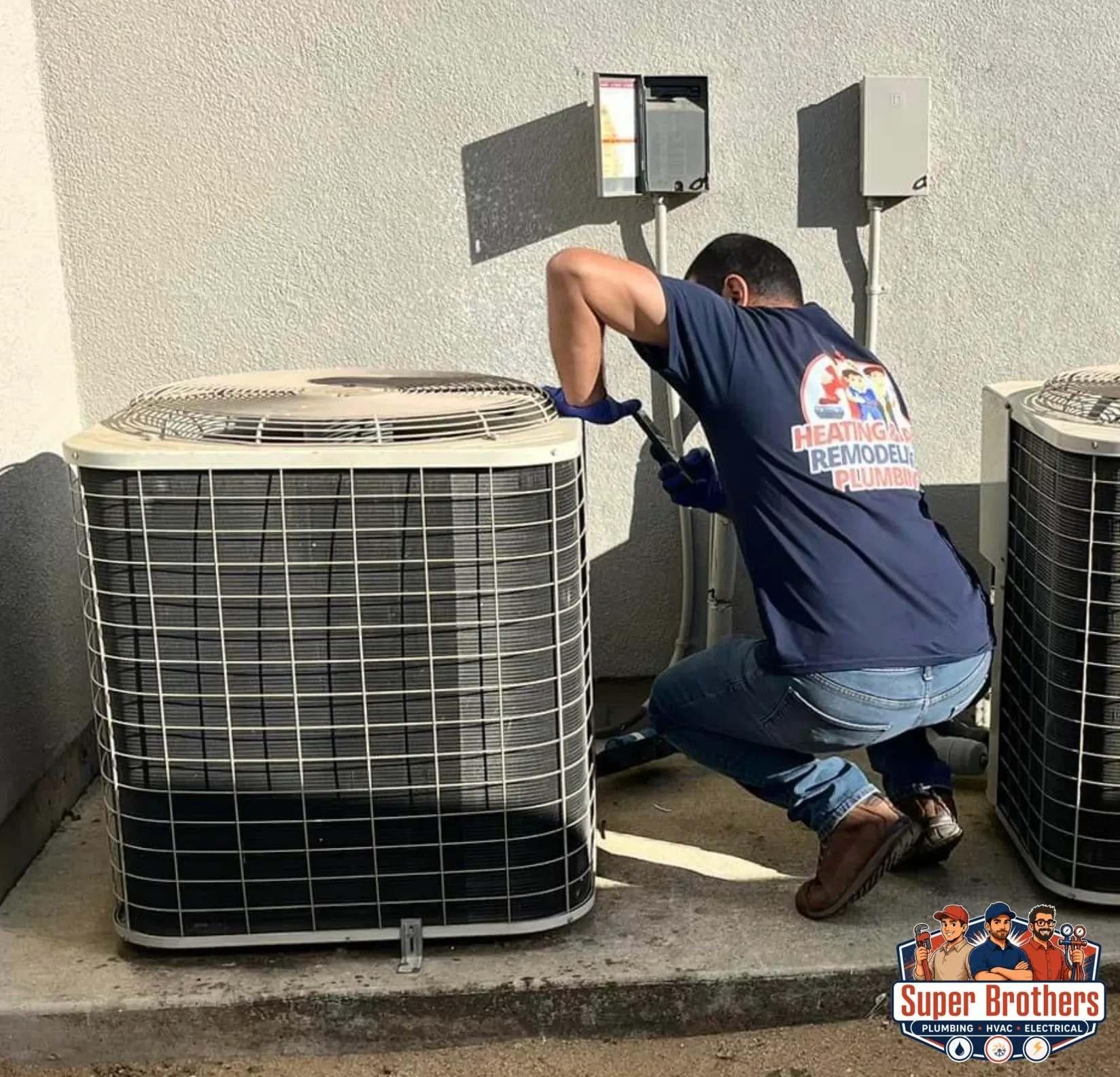
If you are shopping for whole-home cooling, installer quality matters at least as much as brand reputation. That is not contractor cheerleading. It is how these systems actually work in real houses with imperfect ducts, hot attics, sunny windows, and one bedroom that always seems to believe in tropical weather.
A solid central air or heat pump install starts with correct sizing. The contractor should calculate the cooling load for your house, not just match the size of the old unit. The old system may have been wrong from day one, and copying it can lock in the same comfort problems for another fifteen years.
Next comes the matched system check. Ask for the AHRI certificate or reference number so you know the indoor and outdoor equipment is rated together. This one step helps cut through a lot of marketing fog, because it tells you what the setup is actually certified to do, not what the brochure says in its best mood.
Efficiency matters too, but it should be handled with a little common sense. In 2026, central air shoppers will see SEER2 and EER2, not just the older SEER ratings still hanging around in old blog posts. Higher efficiency can save money, but the sweet spot depends on your climate, your run time, your utility rates, and whether the house leaks air like an old screen door at a family reunion.
Heat pumps deserve special attention now because they are no longer a niche pick for one type of homeowner. Modern heat pumps cool in summer, heat in winter, and many high efficiency models do a better job with dehumidification than older standard central AC systems. In colder regions, it is smart to look at low temperature performance data, not just the brand name and headline rating.
If you live in a colder climate, the NEEP cold climate heat pump product list is one of the better tools out there. It helps identify equipment designed to perform efficiently in colder conditions, especially in climate zone 4 and higher. That does not mean every home needs a cold climate heat pump, but it does mean the old “heat pumps do not work up north” line is looking more and more like old uncle lore.
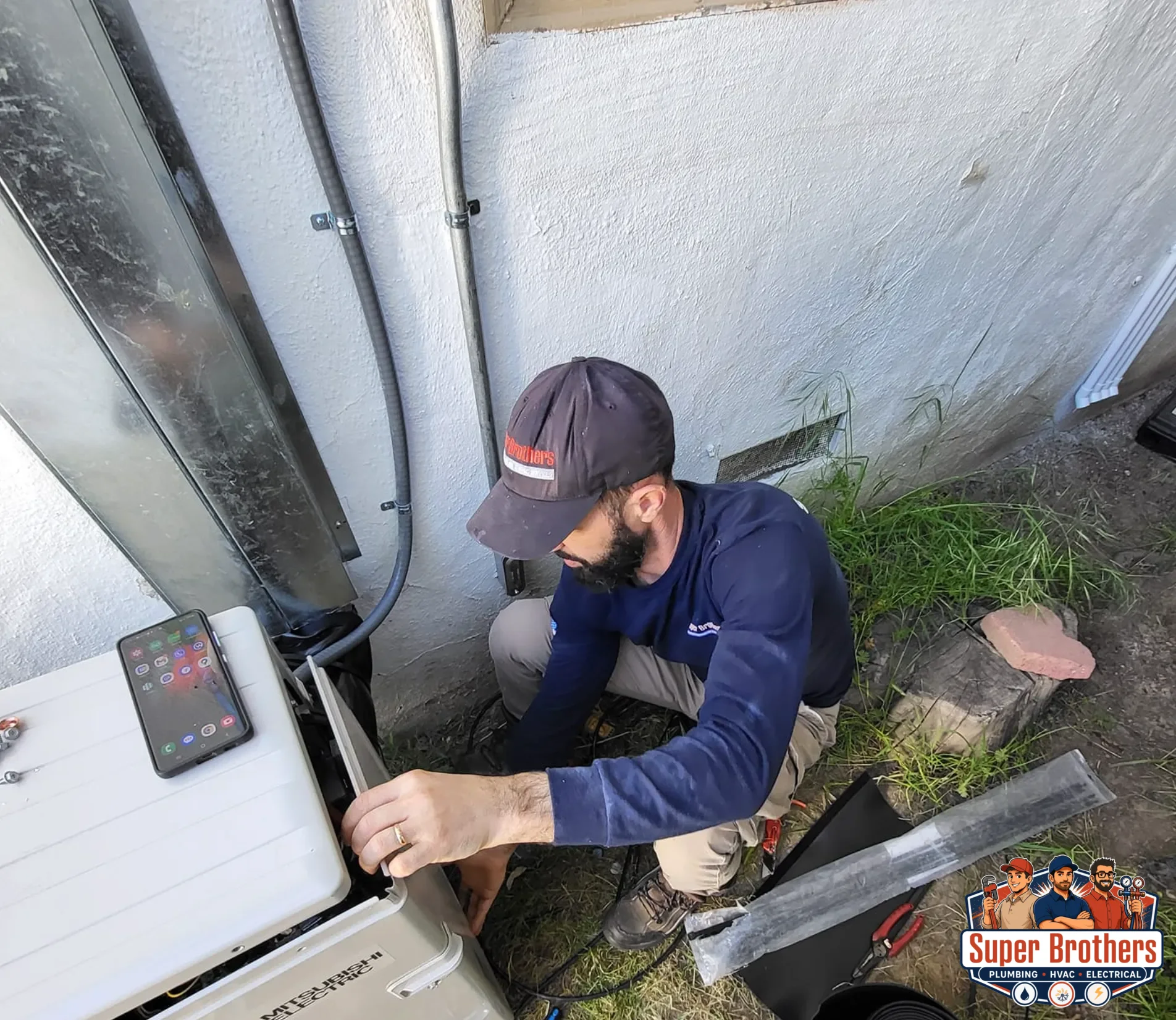
Another 2026 issue worth knowing is refrigerants. Because of the federal transition away from higher GWP refrigerants in new equipment, many newer systems now use lower GWP options such as R-454B or R-32, depending on the equipment type. For most homeowners, this is not something to panic about, but it is worth asking what refrigerant the system uses and whether the installer is fully comfortable with that equipment family.
That is the real answer to air conditioner brands to avoid for central systems. Avoid the quote with no sizing work, the system with no AHRI match, the installer who talks fast and measures nothing, and the equipment your local service market barely supports. A Daikin, Luxaire, Carrier, Trane, Lennox, Rheem, York, Goodman, or another mainstream brand can be a good fit or a headache depending on those details.
- Ask every bidder for the load calculation, the AHRI match, the exact model numbers, and the rated efficiency of the actual installed system.
- Ask what refrigerant the system uses, what the labor warranty is, and how quickly parts are typically available in your area.
- Ask whether the existing ducts were inspected, sealed if needed, and confirmed to handle the new equipment properly.
- Ask for a quiet operation number if noise matters to you, especially if a condenser sits near a bedroom or patio.
Window air conditioners are better than they used to be
Window units deserve a little more respect than they usually get. The good ones in 2026 are quieter, more efficient, and easier to live with than the older rattle boxes many people remember. Some inverter models are genuinely pleasant to use, which is a sentence that would have sounded fake a decade ago.
If you are cooling one room or a small zone, a window unit is often the smartest buy. It is usually more efficient than a portable unit, it cools better for the money, and it avoids the cost of installing a central system where one is not needed. For a home office, bedroom, finished attic, or guest room, that is often the practical win.
Sizing still matters here. A room air conditioner that is too small will struggle and run forever, while one that is too large can cool quickly without pulling enough humidity out of the air. DOE guidance still points homeowners toward right sizing rather than “more BTUs must be better,” and that advice has aged well.
A quick rule of thumb is roughly 20 BTU per square foot, with adjustments for sun, shade, ceiling height, and how much heat the room picks up. That is a starting point, not a law carved in stone. A west-facing bedroom under the roof can act a lot bigger than its square footage when the afternoon sun shows up acting bold.
Look for ENERGY STAR certified room units when possible, and pay attention to inverter or variable speed models. Those are often quieter and more efficient because they can ramp up and down instead of blasting at full power and then shutting off like a startled lawn mower. If sleep, calls, or watching TV without subtitles matters to you, that smoother operation is worth real money.
Window units are also a place where fancy features matter a little less than the basics. A sleek app is nice, but it should not distract you from cooling performance, noise level, filter access, and whether the unit actually fits your window. Smart controls are fun, but nobody wants to spend more time pairing an air conditioner than cooling the room it lives in.
Portable air conditioners are the “only if you have to” option
Portable air conditioners still sell well because they look flexible and easy. In a way, they are. You roll one in, hook up the hose, and it feels like problem solved. Then the room never gets quite as cool as you hoped, and the machine keeps humming like it is trying to prove something.
That is not your imagination. Independent testing has long found that portable units, especially single hose models, usually do not cool as effectively as window units. They can still be the right call for casement windows, strict rental rules, or rooms where a window unit is not realistic, but they should be a backup plan, not the automatic first choice.
If you must buy a portable AC, try to lean toward a dual hose model, verify the real cooling capacity, and keep expectations grounded. A portable unit can absolutely help, but it usually is not the hero product in a heat wave. Think of it as the relief pitcher, not the ace starter.
This is also where a lot of bad “brand avoid” advice goes sideways. Many portable AC complaints are really type complaints, not brand complaints. People blame the logo when the bigger issue is that the product category itself is working with a handicap.
How to choose without getting lost in the marketing fog
If you are trying to narrow the field, start by deciding what the house actually needs. A whole-home problem may call for central air or a heat pump. A one room problem may be solved faster and cheaper with a window unit. A portable unit should mostly be for situations where the better option cannot happen.
Then get very specific. Ask for model numbers, not just brand names. Ask for the matched system certificate on central equipment. Ask how the unit is sized, what efficiency rating applies to the actual setup, and whether the installer expects any duct changes, electrical upgrades, or drainage work.
Also think about how you live in the house, not just how the sales sheet reads. If you work from home, noise is not a side note. If one floor always runs warmer, airflow matters. If you plan to stay put for a long time, efficiency and repair support matter more than saving a little money on day one.
For many homeowners in 2026, the best cooling purchase is not the one with the flashiest badge. It is the one that fits the space, runs quietly, has parts and service nearby, and was installed by a company that did the homework. Not glamorous, but very effective. Kind of like the neighbor whose tools always work.
- Walk away from any quote that skips a sizing calculation, cannot provide exact model numbers, or gets fuzzy when you ask about the matched system.
- Walk away from a seller who pushes oversized equipment as a cure-all, because bigger can mean clammy rooms, short cycling, and wasted money.
- Walk away from “deal” pricing that quietly drops labor coverage, ignores duct issues, or buries the cost of electrical work until later.
- Walk away from a room AC or portable unit that is badly sized for the space just because it is on sale this week.
What to buy instead of chasing a “best” or “worst” badge
A better buying strategy is to match the equipment type to the house first, then compare the actual model and installer. For whole-home systems, focus on proper sizing, duct condition, matched performance, efficiency, and service support. For one room cooling, focus on window units before portables, especially inverter models if quiet operation matters.
If heating and cooling both need attention, a modern heat pump deserves a serious look. It can handle both jobs in one system, and many high efficiency models have strong comfort performance. On top of that, qualifying equipment may still line up with federal energy tax credits, which can change the math in a good way when you are comparing replacement options.
That does not mean every house needs the fanciest heat pump on the market. Sometimes the best choice is a well installed mid-range system with reliable local support. Homeownership is full of purchases that sound exciting in the showroom and become boring later, and boring is honestly not a bad outcome when your goal is a cool, dry, quiet house in August.
If you remember one thing from this air conditioner brands to avoid guide, let it be this: do not shop for cooling equipment like it is a sneaker drop. Shop for it like a system that has to survive your local weather, your utility bills, your house layout, and the next ten to fifteen summers without becoming a household enemy.
Final take
The smartest 2026 cooling advice is not to blacklist random names and call it a day. It is to avoid poor sizing, poor installation, poor system matching, weak local service support, and the wrong type of unit for the job. That approach is less dramatic, but it is much more useful when real money is on the line.
So yes, there are still air conditioner brands to avoid, but the reason is usually not the logo alone. The real warning signs are sloppy design work, missing performance proof, oversold features, and products that do not match the space. Get those details right, and you are far more likely to end up with a system that keeps the peace between the thermostat, the bedrooms, and the monthly power bill.
Frequently Asked Questions
Is one AC brand always better than the rest?
No. For central systems, the quality of the install, correct sizing, duct condition, and matched indoor and outdoor equipment often matter as much as the brand itself. For room units, model quality and sizing usually matter more than broad brand loyalty.
Are heat pumps a good choice in 2026?
Yes, in many homes they are a very strong choice. Modern heat pumps can cool in summer, heat in winter, and many newer models handle humidity well. In colder areas, check low temperature performance and use tools like the NEEP cold climate list when needed.
Should I buy a portable air conditioner?
Only if a window unit or another better fit is not practical. Portable ACs can help, but they usually cool less effectively than window units, especially single hose models. They are useful problem solvers, not miracle workers.
What matters most on a central AC quote?
Ask for the load calculation, exact model numbers, AHRI matched system proof, rated efficiency, warranty details, and a clear plan for ducts or electrical work if needed. If any of that is missing, the quote is incomplete.
What is the simplest way to size a room air conditioner?
A common starting point is about 20 BTU per square foot, then adjust for hot sun, shade, ceiling height, and room use. It is a starting point, not a shortcut for every room, but it helps homeowners avoid buying way too big or too small.
Do newer refrigerants mean I should wait to buy?
Usually no. The market has already been shifting toward lower GWP refrigerants in newer equipment. What matters more is choosing an installer who knows the equipment well and can support it properly after the install.
Sources
U.S. Department of Energy, Air Conditioning
U.S. Department of Energy, Room Air Conditioners
ENERGY STAR, Room Air Conditioners
ENERGY STAR, Ductless Heating and Cooling
AHRI, Air Conditioners and Heat Pumps
AHRI, Directory of Certified Product Performance
IRS, Energy Efficient Home Improvement Credit
EPA, Technology Transitions HFC Restrictions by Sector
NEEP, Cold Climate Air Source Heat Pump Specification and Product List
Consumer Reports, Inverter Air Conditioner Buying Guidance
Consumer Reports, Portable Air Conditioner Performance Guidance