The Cost Of Sewer Line Repair & Replacement – Sacramento, CA?
For a typical 2,000-square-foot Sacramento home, a localized sewer line repair will often cost around $1,500 to $4,500, while a full sewer line replacement commonly runs about $5,000 to $15,000. More complicated replacements involving deep sewer lines, long pipe runs, trenchless work, driveways, concrete, or difficult access can reach $15,000 to $30,000 or more. The price is determined by the total length, pipe size, accessibility, job complexity, trench depth, and the zip code for permit requirements.
Understanding Sewer Line Issues
Waking up to a foul odor, a backed-up toilet, or drains that suddenly refuse to empty is usually a sign that something is wrong with your plumbing. When several fixtures are affected at once, the problem may be deeper in the system, including a clogged, damaged, or deteriorating sewer line. Sewer line problems are fairly common, especially in older homes. Tree roots can work their way into aging pipes, corrosion can weaken older materials, and shifting soil can cause pipes to crack, sag, or collapse. Because the sewer line is buried beneath your yard, driveway, or other parts of the property, homeowners sometimes worry that repairing it will require extensive excavation. That is not always the case. Depending on the condition of the pipe, repairs may involve traditional excavation or a trenchless method such as pipe lining.
How Sewer Lines Work
Sewer lines are an essential part of a residential or commercial plumbing system. They carry wastewater away from toilets, sinks, showers, washing machines, and other drains and direct it toward the municipal sewer system or a septic system. Because these pipes are underground, their condition is easy to overlook. Older sewer lines may be especially vulnerable to cracks, corrosion, loose joints, root intrusion, and blockages. A line running underneath an open lawn, for example, may be much easier to access than one buried below a driveway or other permanent structure.
Common Causes of Sewer Line Failure
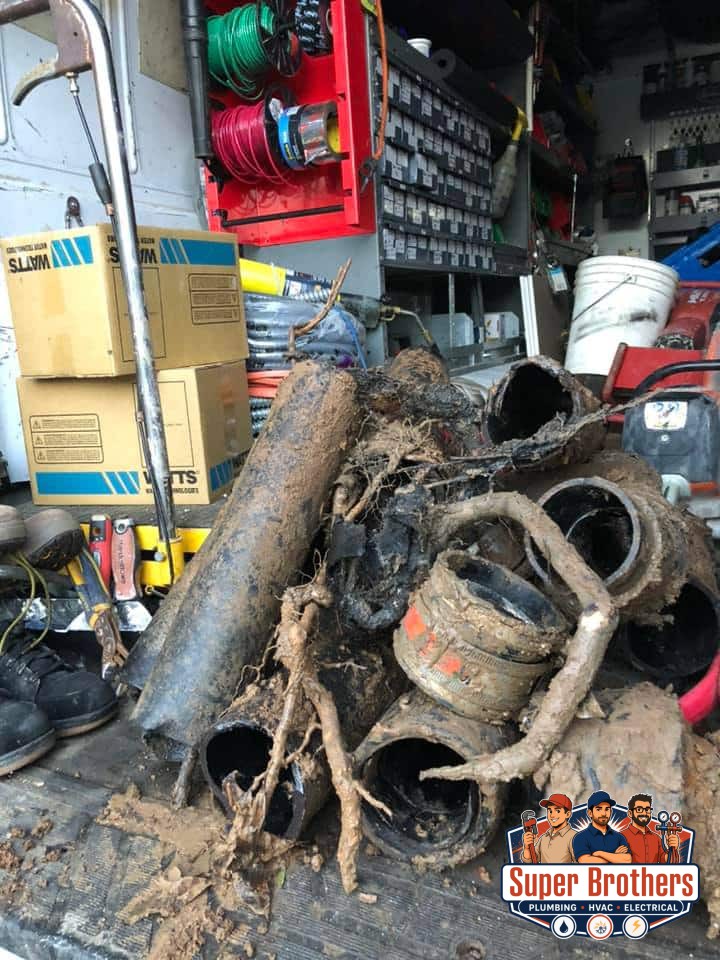
Age is one of the most common causes of sewer line trouble. As pipes get older, normal wear and tear can lead to cracks, leaks, corrosion, and weakened joints. Roots naturally seek moisture and may enter a sewer line through very small cracks or gaps between pipe sections. Once inside, they can continue growing and eventually restrict flow or damage the pipe. Shifting or settling soil may cause sections of pipe to separate, sag, or collapse. Blockages caused by grease, debris, wipes, and other materials can create additional stress on the system.
Pipe type or material matters as well. Older clay and cast iron sewer lines can develop different problems than newer PVC piping, which is one reason a proper inspection is important before deciding how to repair the line.
How Neglected Maintenance Affects Sewer Lines
Small sewer line problems do not always stay small. A minor crack can widen, root intrusion can become more severe, and a partial blockage can eventually turn into a complete backup. Regular inspections and cleaning can help identify developing problems before they result in more expensive damage. This is particularly useful for older homes or properties that have experienced recurring sewer problems in the past.
If a pipe is damaged, there are now several ways to repair it. Traditional replacement requires excavation to reach the affected section. Trenchless techniques, including pipe lining, may allow the contractor to repair the existing line with considerably less digging.
Signs of a Potential Sewer Line Problem
If sinks, showers, tubs, and toilets are all taking longer than usual to drain, there may be a restriction in the main sewer line. Recurring clogs that return shortly after being cleared can point to a bigger problem. Backups are another obvious warning sign, particularly when using one plumbing fixture causes water or sewage to appear in another. For example, flushing the toilet may cause sewage to back up into the shower drain, and you may visibly see the shower tub begin to fill with wastewater.
Unpleasant Odors and Slow Drains
A persistent sewer odor inside your home or around part of the yard can indicate a blockage, leaking pipe, damaged connection, or another problem that is allowing sewer gases or wastewater to escape. Also, Increased pest activity can sometimes accompany a damaged sewer line as well. Rodents and insects may be attracted to areas where wastewater is leaking or may gain access through damaged piping. These symptoms don’t automatically means the entire sewer line has to be replaced. They do, however, justify having the line inspected so the cause can be identified.
Early Warning Signs
Addressing sewer problems early can prevent a relatively manageable repair from becoming a much larger project. A sewer backup can damage flooring, walls, cabinets, furniture, and other parts of the home in addition to creating sanitation concerns. Underground leaks may affect the soil and landscaping around the damaged pipe. If you notice repeated signs of sewer trouble, a plumber can usually perform a sewer camera inspection to see what is happening inside the line. That makes it possible to determine whether the problem is a clog, root intrusion, a crack, a sagging section of pipe, or a more serious structural failure.
Sewer Line Repair and Replacement Costs
Repairing or replacing a damaged sewer line can be expensive, but costs vary considerably from one project to another. As a general estimate, sewer line repair or replacement may cost anywhere from about $2,500 to $10,000. More complicated projects can exceed that range, particularly when long sections of pipe need to be replaced or access is difficult. The most useful estimate will always come from an inspection of the actual sewer line and property.
What Affects Sewer Repair Costs?
Extent of the damage: A localized crack or blockage may require a relatively limited repair. A collapsed pipe, severe root intrusion, or damage affecting several sections of the line can require much more extensive work.
Location: The position of the damaged pipe has a major effect on cost. A sewer line beneath a lawn is usually easier to reach than one underneath concrete, landscaping, a driveway, or another structure.
Access: Contractors need enough space to safely reach and work on the damaged section. Difficult access can increase both labor and equipment requirements.
Pipe material: Sewer pipes can be made from PVC, cast iron, clay, and other materials. The existing material and the material selected for the repair or replacement can both affect the price.
Repair method: Traditional excavation and trenchless repair involve different equipment, labor, and restoration costs. A trenchless repair may reduce digging and property restoration, but it is not necessarily the least expensive choice in every situation.
Why It Helps to Budget for Sewer Repairs
Sewer problems are rarely an expense homeowners want to deal with, but delaying a necessary repair can make the eventual bill larger. Having money set aside for plumbing and home maintenance gives you more flexibility when a problem appears. It also gives you time to compare contractors and repair options rather than choosing the first available solution during an emergency. When possible, get more than one estimate and make sure each contractor is quoting the same scope of work.
Location, Accessibility, and Depth
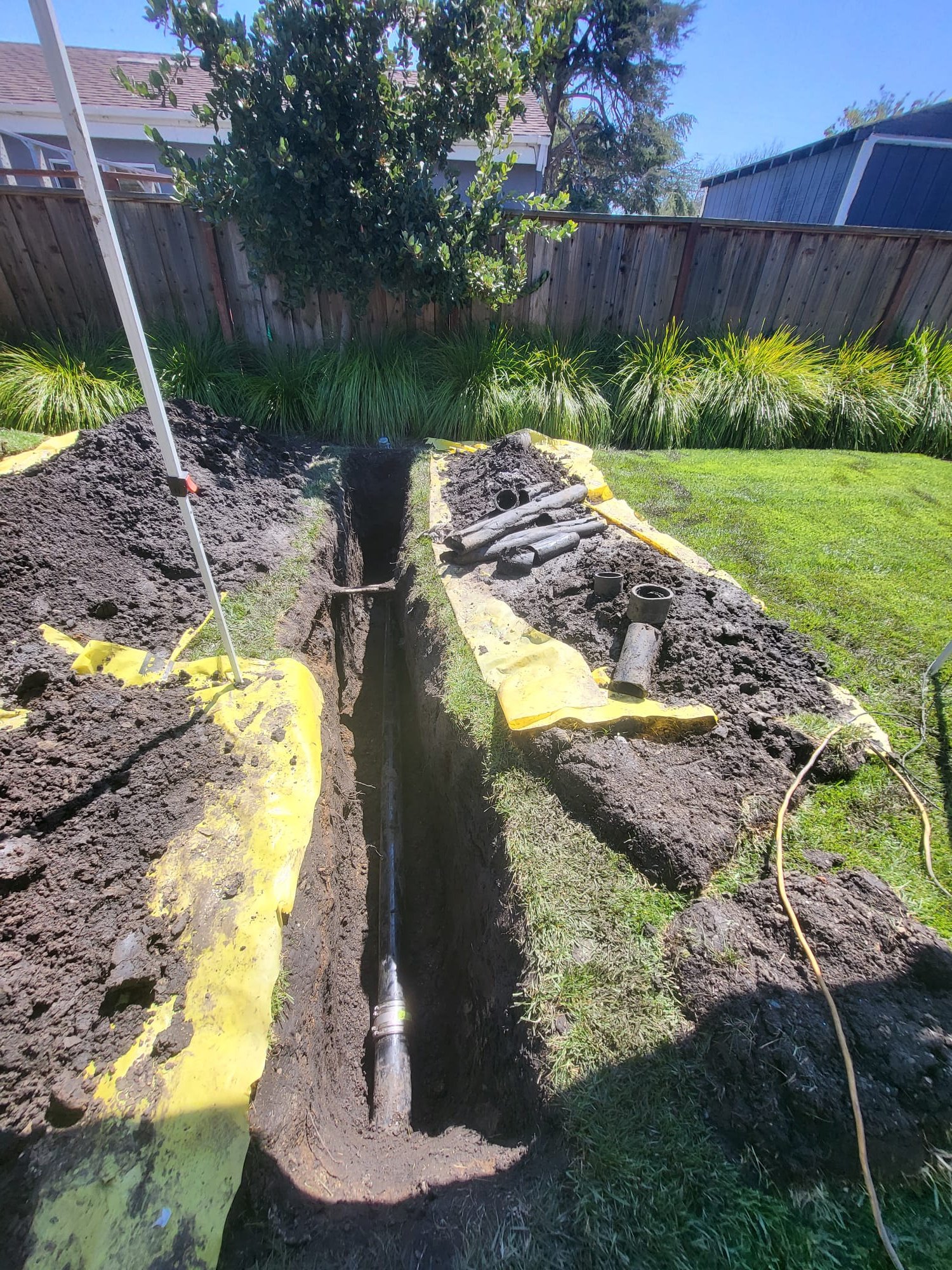
The location of the damaged sewer line is one of the biggest factors affecting repair cost. If the pipe is shallow and located in an open, easily accessible area, excavation may be relatively straightforward. A deep sewer line or a pipe underneath a driveway, slab, patio, mature landscaping, or other structure will usually be more difficult to reach. Deeper excavation can also require additional equipment and safety precautions, which increases labor and project costs.
Permits, Labor, and Equipment
Sewer work may require permits depending on the project and local regulations. Permit fees should be included when estimating the total cost of the job. Labor costs depend on the complexity of the repair, the size of the crew, and how much time the project takes. Specialized trenchless methods may require specific training and equipment, while excavation projects may involve heavy machinery and additional labor. Ask whether the contractor’s estimate includes permits, equipment, cleanup, disposal, excavation, and restoration. A low initial quote may not always include all of the work required to finish the project.
Pipe Material and Length
The material and length of the sewer line also affect repair costs. Clay pipe, for example, can be more fragile than modern PVC and may require a different approach. Cast iron can deteriorate from corrosion over time. The contractor should take the condition and material of the existing pipe into account when recommending a repair. Longer sewer lines generally require more labor and materials, particularly when several areas are damaged rather than one isolated section.
Comparing Sewer Line Replacement Options
There is more than one way to repair or replace a damaged sewer line. The two broad approaches are traditional excavation and trenchless repair. Neither method is automatically better. The right choice depends on the condition of the existing pipe, where it is located, the amount of damage, and what is above the line.
Traditional Excavation vs. Trenchless Options
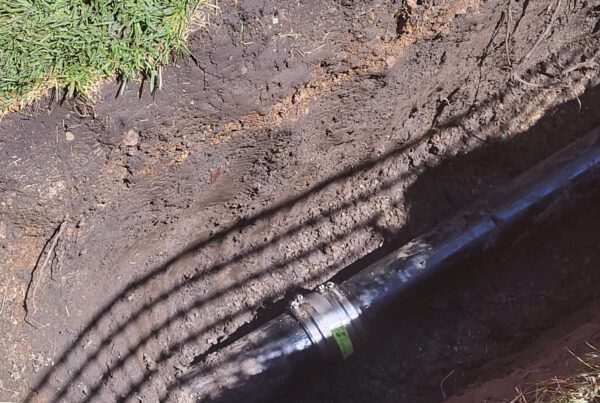
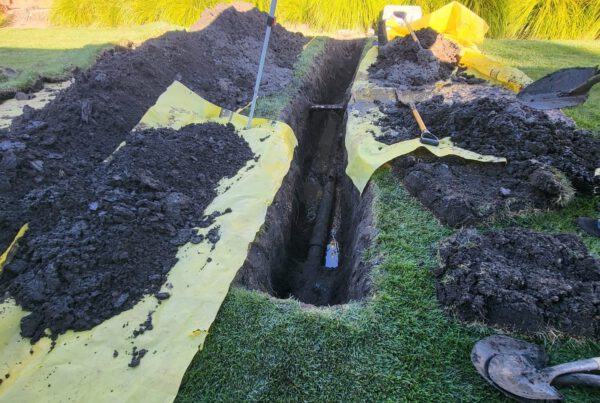
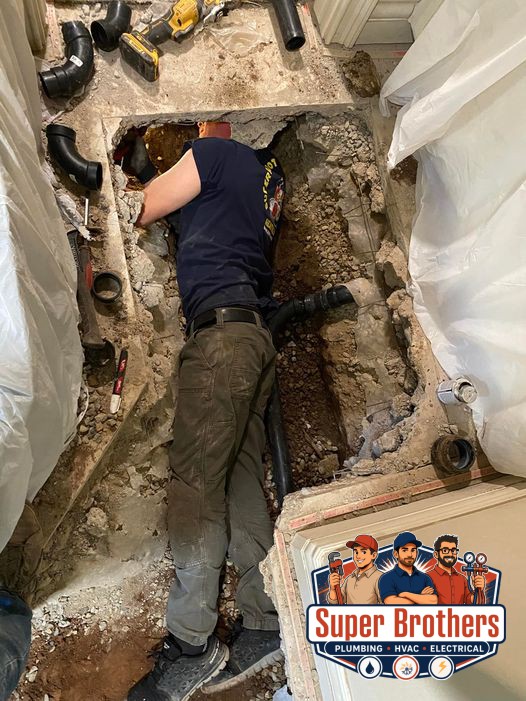
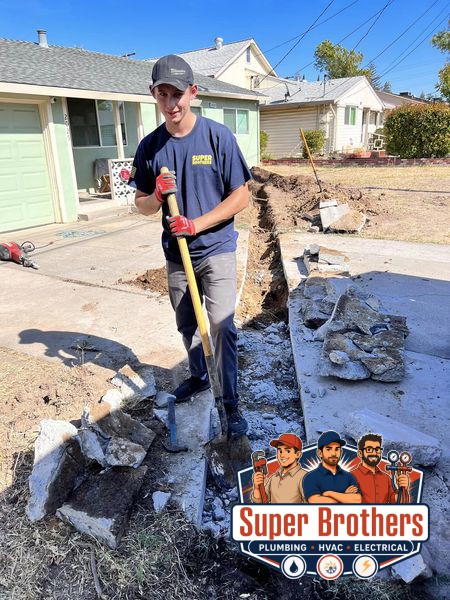
Traditional excavation involves digging down to the sewer line so the damaged pipe can be removed, repaired, or replaced. This method gives the contractor direct access to the pipe and may be necessary when a line has collapsed, shifted significantly, or is otherwise unsuitable for a trenchless repair. The drawback is the amount of digging involved. Excavation may disturb lawns, landscaping, driveways, patios, and other areas of the property.
Trenchless sewer repair is designed to reduce the amount of excavation required. One common option is pipe lining, where a resin-coated liner is inserted into the damaged pipe and cured in place. Once hardened, the liner creates a new pipe surface inside the existing line.
Traditional Excavation: Pros and Cons
Advantages: Excavation provides complete access to the damaged pipe. It allows severely damaged sections to be removed entirely and gives the contractor an opportunity to replace the existing line with a different pipe material or size when necessary.
Disadvantages: Excavation can be time-consuming and disruptive. It may also require additional work to repair landscaping, concrete, driveways, or other surfaces after the plumbing work is complete.
Trenchless Pipe Lining: Pros and Cons
Advantages: Pipe lining typically requires less excavation than traditional replacement. That can reduce disruption to landscaping, driveways, and other finished areas and may shorten the overall project.
Disadvantages: Pipe lining is not suitable for every damaged sewer line. The existing pipe must be inspected first to determine whether it has enough structural integrity for the lining process.
If a line has completely collapsed or shifted badly out of position, another repair method may be necessary. When comparing the two approaches, consider the condition and location of the pipe, the total project cost, the amount of property restoration required, and the expected long-term result.
Insurance Coverage for Sewer Repairs and Replacement
Homeowners insurance may cover certain types of sewer-related damage, but coverage depends on the policy and the cause of the problem. A sudden and accidental event may be treated differently from deterioration caused by age, corrosion, poor maintenance, or normal wear and tear. Damage caused by a sewer backup inside the home may also be covered differently from the cost of repairing the sewer line itself. Review your policy carefully and contact your insurance provider if you are unsure about your coverage. Some homeowners may also have separate service-line or sewer-backup coverage.
Review Your Homeowners Insurance Policy
Checking your coverage before an emergency can help you understand what expenses you may be responsible for if a sewer problem occurs. If you already have a damaged sewer line, contact your insurer before assuming the work will or will not be covered. Ask specifically about the cause of damage, the underground service line, sewer backup coverage, deductibles, and any documentation required for a claim.
Ask Contractors About Their Warranty
Insurance is only one form of financial protection. It is also worth asking contractors what warranty they provide on sewer repairs and replacements. A warranty may cover workmanship, materials, or both for a specified period. Coverage varies between contractors and repair methods, so ask for the terms in writing. Find out how long the warranty lasts, what it includes, what it excludes, and what happens if the repair fails or another problem develops in the same area. Do not assume all warranties are the same. Compare the details along with the contractor’s price and proposed repair method.
Ways to Save on Sewer Line Repairs
Sewer repairs can be expensive, but cutting costs should not mean choosing a repair that does not actually solve the problem. One of the best ways to control the cost is to understand exactly what is wrong with the pipe and compare more than one proposal when time allows.
Get Multiple Quotes
Contact several qualified sewer repair contractors and ask them to evaluate the problem. Comparing estimates can help you understand the normal price range in your area, but make sure each quote includes the same work. One contractor may include excavation, permits, cleanup, and restoration while another quote only covers the pipe repair itself.
Consider Trenchless Sewer Repair
If the sewer line runs beneath expensive landscaping, concrete, or a driveway, a trenchless repair may reduce the amount of restoration work required. That does not mean trenchless repair is always cheaper. The condition of the existing pipe should determine whether the method is appropriate.
Consider Pipe Lining When Appropriate
Pipe lining can be a cost-effective option when the existing sewer line is damaged but still structurally suitable for rehabilitation. Because the existing pipe remains in place, lining can eliminate much of the excavation associated with traditional replacement.
Keep Up With Maintenance
Routine maintenance can help identify problems before they turn into major repairs. Homeowners with older sewer systems, mature trees near the line, or a history of recurring blockages may benefit from occasional professional inspections or cleaning.
Explore Financing Options
For a major repair, paying the full cost at once may not be practical. Some plumbing contractors offer financing plans that allow homeowners to spread payments over time. Depending on where you live, local assistance or loan programs may also be available for qualifying homeowners. These programs vary significantly by location, so check with local agencies rather than assuming assistance is available. Your insurance policy may help with certain covered losses as well, depending on the circumstances.
Selecting a Sewer Repair Professional
Choosing the right contractor is especially important for sewer work because the repair is underground and can be difficult to evaluate once the job is finished. Look for a professional with specific experience diagnosing and repairing sewer lines rather than someone who only handles this type of work occasionally.
Sewer Repair Contractor Qualifications to Look For
Check whether the contractor holds the licenses required in your area and carries appropriate insurance. Experience with the repair method being proposed matters as well. Pipe lining, trenchless replacement, excavation, and sewer camera inspection all require different equipment and skills. Ask how frequently the company performs the type of work you need and whether the technicians performing the repair have experience with your type of sewer pipe. References from past customers can help you understand what it is like to work with the contractor. Ask whether the work was completed as promised, whether the final cost was close to the original estimate, how the property was left afterward, and how the company handled any problems that came up, Also, Online reviews can provide additional context. Instead of looking only at the overall rating, pay attention to comments about sewer repairs similar to the work you need.
Why Hiring a Local Professional Can Help
A local sewer repair contractor is more likely to be familiar with area permitting requirements, plumbing codes, soil conditions, and common types of sewer infrastructure. Local contractors may also have established relationships with nearby suppliers and municipalities, which can make permits and materials easier to coordinate. Proximity can be useful after the job as well. If an issue develops, a local company may be able to return to the property more easily.
Maintenance to Prevent Future Sewer Issues
Not every sewer problem can be prevented, particularly when an older pipe is already deteriorating. Good maintenance can, however, reduce unnecessary blockages and help catch problems earlier.
Why Regular Maintenance Matters
Routine maintenance gives homeowners an opportunity to identify developing sewer problems before they cause a backup or major pipe failure. A plumber can inspect the line with a camera, identify buildup or damage, and recommend cleaning or repair if necessary. This does not mean every sewer line needs frequent service. The appropriate schedule depends on the age of the system, pipe material, tree growth around the line, and whether the property has experienced recurring problems.
Tips for Keeping Sewer Lines in Good Condition
Watch what goes down the drain. Avoid flushing wipes, sanitary products, grease, and other materials that can collect inside the sewer line and cause blockages.
Be careful with landscaping. Large trees and shrubs planted close to older sewer lines can create root problems. If you already have mature trees near the line, regular monitoring may be more realistic than removing established landscaping.
Address recurring clogs. If the same drain or sewer line repeatedly blocks, clearing it over and over without identifying the cause may only provide temporary relief.
Schedule inspections when there is a reason. Older sewer systems and homes with a history of root intrusion, backups, or damaged pipes may benefit from periodic camera inspections.
Preventive Sewer Line Services
Pipe lining: Pipe lining can rehabilitate certain damaged sewer pipes without removing the entire existing line. It is a repair method rather than routine maintenance and should only be used when an inspection shows that the pipe is suitable.
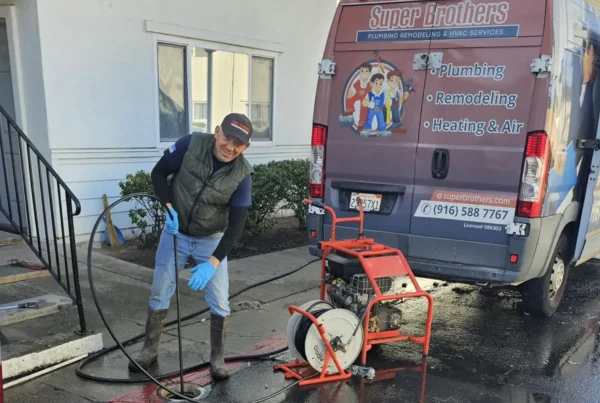
Hydro jetting: Hydro jetting uses high-pressure water to remove grease, buildup, and some types of obstructions from sewer pipes. The condition of the pipe should be evaluated beforehand, particularly when dealing with older or fragile materials.
Professional cleaning: Cleaning can help restore flow when buildup is contributing to recurring blockages. The appropriate method depends on what is causing the obstruction and the condition of the line. Sewer line problems can be intimidating, but the first step is simply finding out what is happening underground. Slow drains, recurring backups, sewer odors, gurgling fixtures, and other warning signs are reasons to have the system inspected. From there, a contractor can determine whether the problem can be cleared or repaired or whether part of the line needs to be replaced. The cost will depend on the location and extent of the damage, the condition and material of the pipe, accessibility, and the repair method. Traditional excavation remains necessary in some situations, while trenchless options such as pipe lining can reduce digging when the existing line is a good candidate.
Before approving a major sewer repair, understand what the inspection found, compare your options, review the contractor’s warranty, and get more than one estimate when possible. A clear diagnosis is much more useful than simply choosing the fastest or cheapest proposed repair.
Frequently Asked Questions
How Much Does Sewer Belly Repair Cost?
A sewer belly is a low or sagging section of pipe where water and waste can collect instead of flowing properly. The cost of repairing a sewer belly depends on the depth and location of the line, how much pipe is affected, and what is above the damaged area. A general estimate is around $3,000 to $10,000, although the actual cost can fall outside that range.
What Is Pipe Lining for Sewer Repair?
Pipe lining is a trenchless repair method used to rehabilitate certain damaged sewer lines. A flexible liner coated with resin is inserted into the existing pipe and cured in place. After the material hardens, it creates a new pipe surface inside the original sewer line. Because the existing pipe stays in the ground, the process can significantly reduce the amount of excavation required.
How Long Does Sewer Line Repair Take?
The length of a sewer repair project depends on the type of damage, accessibility, permitting, and the repair method. Traditional excavation may take several days or longer, particularly if a large section of pipe has to be exposed and the property needs extensive restoration afterward. Some trenchless pipe lining projects can be completed within a day or two when conditions are suitable, although every project is different.
Can I Repair My Own Sewer Lines?
Major sewer line repairs are generally not DIY projects. The work may require camera inspection equipment, pipe locating equipment, excavation machinery, specialized trenchless systems, permits, and knowledge of local plumbing requirements. Incorrectly repairing a buried sewer line can also create much more expensive problems later. For substantial underground repairs or replacement, hiring an experienced sewer professional is usually the safer choice.
How Do I Know if My Sewer Line Needs Repair?
Common warning signs include frequent clogs or backups, several slow drains at the same time, sewer odors inside or outside the home, gurgling pipes, unusual toilet water levels, or wastewater appearing where it should not. A professional sewer camera inspection is usually the best way to determine what is happening before deciding on a repair.