HVAC Installation Cost Per Square Foot
HVAC installation pricing is easy to misread when a contractor gives one total number. A smaller home can still cost a lot when the attic is tight, the panel needs work, ducts leak badly, and removal takes longer than expected. A larger home can price cleaner when access is simple and the duct layout already fits the new equipment. For most residential projects, square-foot pricing helps with budgeting, but it should not decide the job by itself.
A full HVAC replacement in many United States markets can land somewhere around $7,300 to $18,600 before duct repairs, electrical corrections, difficult access, permit work, or new controls change the ticket. A basic AC changeout usually sits lower than a ducted heat pump with air handler work. Ductless mini-splits can price well for one difficult room, then climb sharply when several indoor heads are added across the house. The better question is what the number actually includes.
What Drives HVAC Installation Pricing
System type changes the price before the crew opens a single panel. Central AC, a heat pump, a furnace and AC combination, and ductless equipment all use different materials and labor time. A contractor should also account for refrigerant line condition, return air size, drain routing, thermostat wiring, and access around the indoor unit. Skipping those details makes the quote look cheaper on paper, then the job gets harder once the install starts.
Proper sizing matters because an oversized unit can short cycle, remove less moisture, and wear parts faster than it should. An undersized unit may run for long stretches and still leave hot rooms during heavy summer load. The sizing conversation should include a Manual J load calculation, especially when the home has new windows, added insulation, room additions, or major duct changes. Square footage gives a starting point, but the actual load comes from the building, climate, glass area, shade, air leakage, and insulation level.
Average Cost by HVAC Unit Type
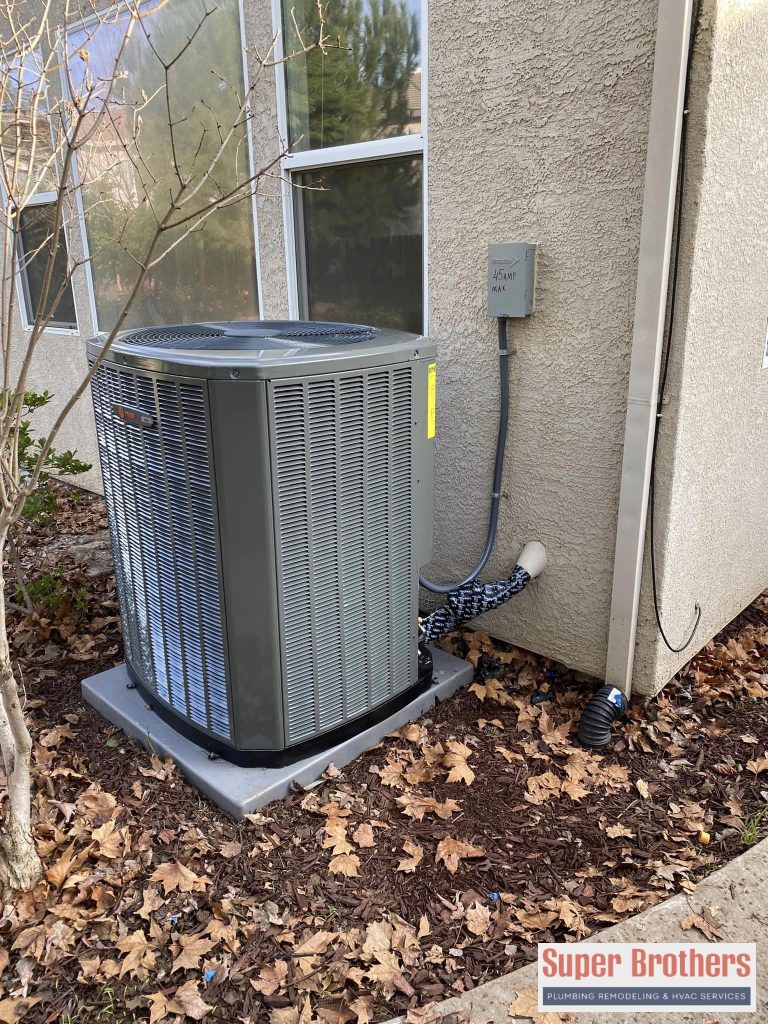
Central AC is usually the cleaner replacement when the home already has usable ductwork and a compatible indoor coil. The price moves up when the furnace cabinet, evaporator coil, refrigerant line set, or electrical disconnect must be changed at the same time. A heat pump often costs more at installation because it handles heating and cooling through one outdoor system. The Department of Energy heat pump guide is a useful reference for homeowners comparing heat pump options before getting bids.
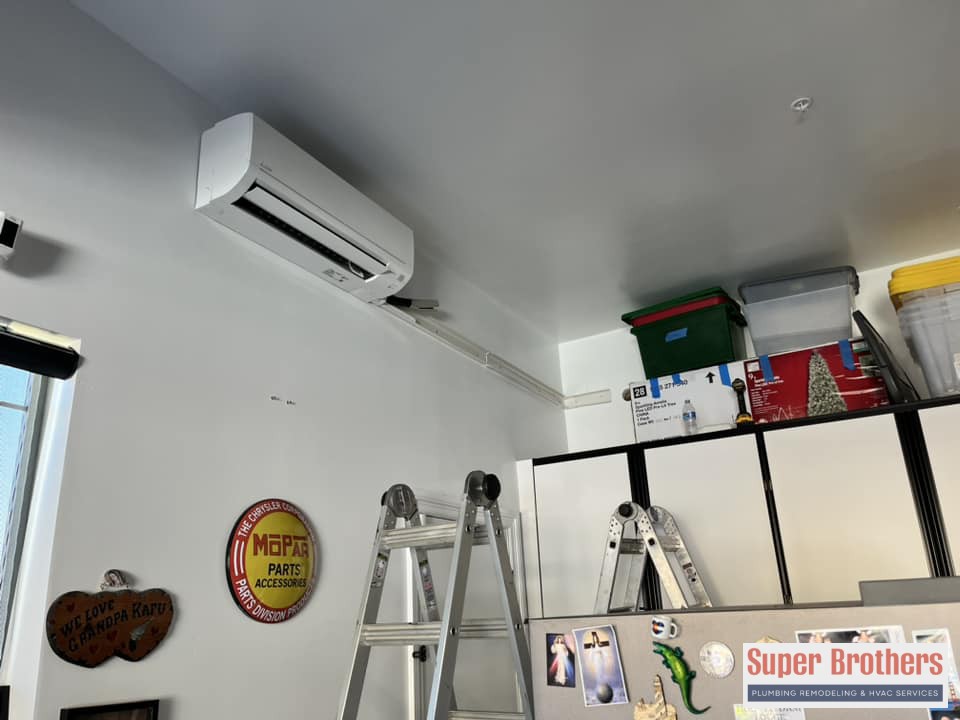
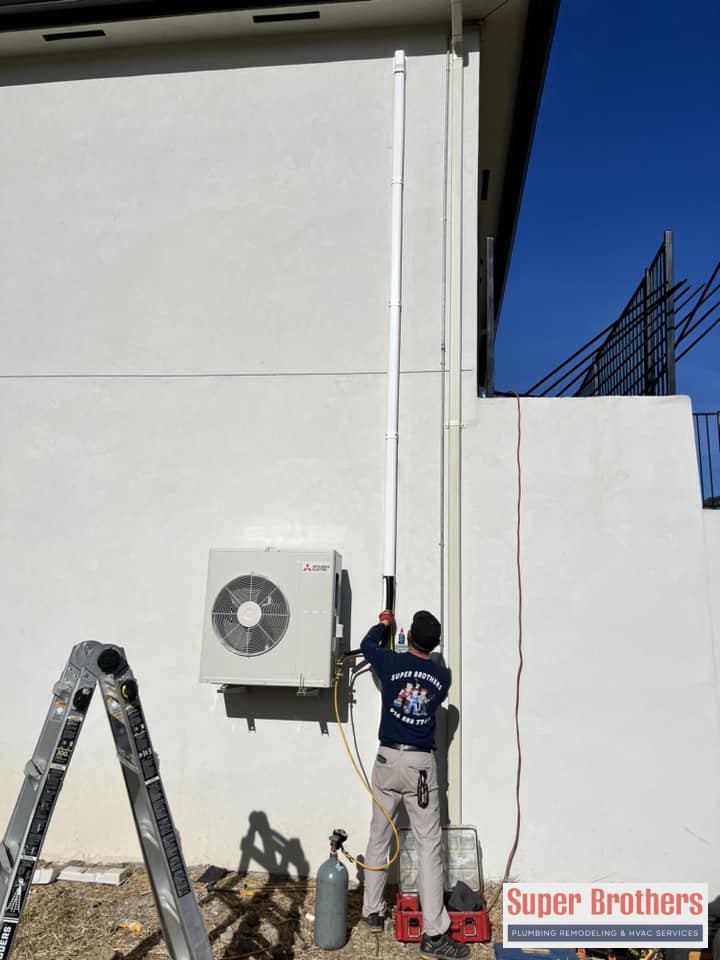
Ductless mini-splits make sense for a room with no duct run or a converted space that needs its own comfort control. One indoor head can be a relatively contained job, while several indoor heads can turn into a larger installation with more line-hide, drain planning, wall penetrations, electrical routing, and cleanup. Geothermal systems sit in a different price class because the ground loop work adds drilling or excavation. For most homes, the practical comparison is simple: keep a ducted layout, repair airflow problems first, use ductless equipment in weak rooms, or rethink the system from scratch.
How House Size Affects Installation
House size affects capacity, but it does not tell the full pricing story by itself. A 1,400 square foot home with crushed ducts, a weak return, a difficult closet, and outdated wiring can cost more than a larger single-story home with open attic access. Multi-story homes may need more labor because line routing, condensate drainage, duct balancing, and equipment access take longer. Additions and converted garages also deserve extra attention because they often have comfort complaints that the old system never solved.
Cost per square foot can drop in a larger home because some fixed costs remain in the job either way. The permit, equipment delivery, refrigerant recovery, disposal, startup testing, and basic electrical work do not shrink much for a small house. That is why a small home can show a high square-foot number while the total bill is still reasonable for the work. A better estimate separates equipment, duct repairs, controls, electrical changes, permits, and the work needed to make airflow correct before startup.
Efficiency and Long-Term Operating Cost
Higher-efficiency equipment can raise the purchase price, but the value comes from how the home uses energy after installation. Variable-speed and staged systems can run longer at lower output, which may improve comfort when the ducts and controls are set up correctly. The ENERGY STAR clean heating and cooling guide gives homeowners a plain reference point for heat pump efficiency and home energy upgrades. Efficiency should be compared against local electricity rates, gas prices, expected run time, duct condition, and the home’s comfort problems.
Do not buy the highest-efficiency unit while ignoring bad airflow. Leaky ducts, undersized returns, dirty blower wheels, and poor static pressure can waste the value of expensive equipment. A good proposal should explain any duct repairs, return upgrades, filter cabinet changes, thermostat work, and airflow testing that protects the new system. If the quote only names the model number and gives a total price, ask for the scope to be written in normal job language before signing.
Labor, Permits, and Extra Installation Work
Labor is not filler in an HVAC quote. It covers removal, setting equipment, brazing or press connections, pressure testing, evacuation, wiring, drains, duct transitions, startup, and cleanup. The price rises when the crew has to work in a low attic, tight crawlspace, steep roof area, closet with poor access, or awkward equipment pad. A cheaper bid can be a bad deal when it leaves out the work that makes the system run safely.
Permits and inspection requirements also change the final number. Some homes need a new disconnect, breaker correction, platform work, condensate safety switch, smoke detector coordination, or duct sealing before the job passes. Older homes may also need asbestos testing around old duct materials or extra care around dated electrical panels. These items should be discussed before the install date, not found after the old unit has already been removed from the house.
How to Reduce HVAC Installation Cost Without Buying Trouble
Start by getting quotes that describe the same scope. One contractor may include duct sealing and a new return, while another may price only the equipment swap. Ask each company to show what is included, what is excluded, what condition triggers added work, and how that added work gets approved. That comparison takes more effort than looking at the total, but it protects you from picking a low number that is missing important work.
There are sensible ways to lower the bill without forcing a weak installation. Reuse ductwork only when it is clean enough, sized well enough, sealed well enough, and accessible enough to service later. Choose a reliable mid-range system when the premium model will not pay back in your climate or utility setup. Schedule replacement before the unit fails completely, because emergency work in peak weather usually leaves fewer choices and less room to compare bids.
Finally
HVAC installation cost per square foot is useful only as a quick reality check. The real cost comes from system type, equipment capacity, access, duct condition, electrical work, permits, and the labor needed to install the unit correctly. A fair quote should read like a job plan, not a mystery total with a brand name attached. Before approving the work, make sure the contractor has looked at the house carefully enough to price the job that actually needs to be done.
For a basic replacement, compare at least a couple of written scopes before choosing the lowest number. For a larger change, such as switching from a furnace and AC setup to a heat pump, slow down and review sizing, ductwork, panel capacity, rebates, and operating cost. A cheaper install can become expensive when comfort problems remain after the crew leaves. Spend the money where it affects performance, because that is where homeowners see the better result.
Super Brothers Quality
Choose Super Brothers Plumbing Heating & Air because we use top-tier materials, deliver honest workmanship, and back every job with a real warranty. Our pricing is fair and transparent—no hidden fees, ever.
We pull the permits, build to California code, and pass inspection. Our licensed, highly experienced team handles full plumbing and heating/air replacements and installations, so the job’s done right the first time.
- Top-tier materials
- Honest, quality service
- Workmanship warranty
- Fair, transparent pricing (no hidden fees)
- Permits handled; California code compliant; passes inspection
- Licensed & experienced in plumbing and HVAC installs





Refer Friends, Reap Rewards

Share our expert plumbing services with friends and family. For every successful referral, you earn cash rewards. Refer Now

Ready To Experience Super Brothers Difference! Let’s Start a Conversation!
Related Services
Financing Options

Super Brothers offers an Installment Payment Plan with 0% Interest for Projects over $1000

Fin tech company that provides payment solutions in the home improvement sector.

Flexible financing for your next home improvement project

Wells Fargo Home Projects Credit Card